Can Botox Cause Botulism? Understanding the Risks, Warning Signs and Side Effects.
In this blog article ‘Botox’ refers to Botulinum Toxin type A. Botox is a brand name and in my clinic I use Azzalure.
Botox is an increasingly popular aesthetics treatment helping to reduce wrinkles and achieve a fresher appearance. When performed by a qualified professional using licensed products it has an excellent safety record.
Although all treatments carry a level of risk, there has been increasing media coverage of people developing “botulism” after Botox injections. Understandably this raises safety concerns, and hopefully this blog helps to answer some of those questions.
What Is Botox?
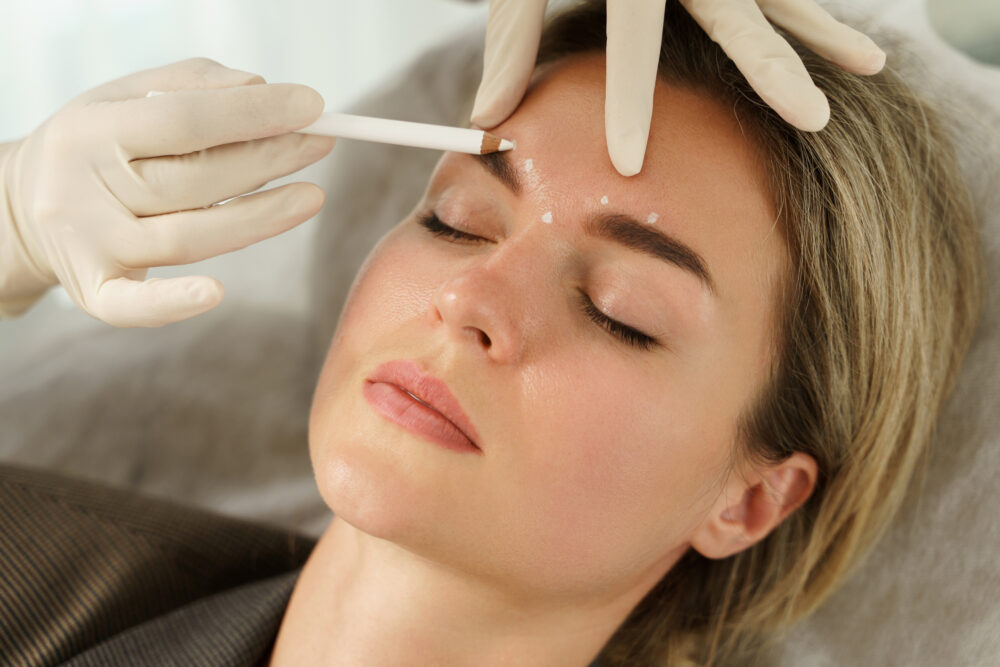
Botox is a purified form of botulinum toxin type A. In aesthetics small amounts are injected into specific muscles to temporarily reduce muscle movement and soften lines, such as frown lines and crow’s feet.
Although Botox is made from the same toxin responsible for botulism, the medication used for aesthetics treatments is highly purified, carefully manufactured and administered in very small, controlled doses.
Can aesthetics Botox Cause Botulism?
The short answer is yes – but it is extremely rare. Understanding the difference between normal side effects and what to expect after treatment, and the early warning signs of a serious complication can help you make informed decisions.
That is one of the reasons I don’t offer same day consultations and treatments in my clinic, even if you have had the same treatment elsewhere before. I need to be certain that you understand the risks and can give informed consent.
Common Botox Side Effects: What’s Normal and what is not?
The majority of people experience only mild, temporary side effects.
These may include:
- Small injection site bumps
- Mild redness
- Swelling
- Bruising
- Tenderness
- Mild headache
- A feeling of skin tightness
- Temporary heaviness in the treated area
These usually settle within a few hours to several days. Different muscles will also potentially take up toxin at different rates. The concern is the rare possibility that botulinum toxin spreads beyond the injection site and affects muscles elsewhere in the body.
Most reported cases have occurred after:
- Very high doses used for medical conditions rather than aesthetic treatments
- Counterfeit or unlicensed products
- Incorrect injection technique
- Treatment by unqualified providers
Contact your practitioner promptly if you notice:
- One eyelid becoming noticeably droopy
- Uneven eyebrows
- Increasing pain
- Significant swelling
- Signs of infection
- Persistent headache lasting several days
- Weakness in muscles that were not treated
Although many of these are not medical emergencies, they should be promptly assessed by your treating practitioner.
Ensure you have contact details for any concerns before leaving the clinic. All Angel Aesthetics clients are provided with an aftercare pack which includes my personal mobile number and a follow up review date is also booked in.
Early Warning Signs of Botulism After Botox
Symptoms usually develop within several hours to several days after treatment.
Seek urgent medical advice if you experience:
- Difficulty swallowing
- Choking when eating or drinking
- Slurred speech
- Difficulty speaking clearly
- A weak or hoarse voice
- Double vision
- Blurred vision
- Drooping eyelids that become progressively worse
- Generalised muscle weakness
- Difficulty lifting your head
- Difficulty breathing
These symptoms require prompt medical assessment – call 999 or head straight to your nearest A&E immediately.
Equally, symptoms may not be Botox related at all and other health conditions need to be considered. Becoming unwell after an aesthetic treatment does not necessarily mean the treatment was the cause. For example, if someone experiences a stroke shortly afterwards, the stroke may have been going to occur regardless, and the close timing of the treatment may simply be coincidental rather than causative.
How to reduce the risk of complications.
- Choose a reputable practitioner. Always choose an appropriately qualified practitioner with training (and experience) in facial anatomy, injectable treatments and complication management.
- Ensure only licensed products are used. Avoid providers who cannot tell you which toxin they are using or who decline to show you the products/packaging.
- Have a face to face consultation and never feel pressured into making a decision. A minimum of 24 hours ‘cooling off’ period is part of my standard practice.
- Follow your aftercare advice and if you have questions or concerns contact your practitioner. I’d much prefer to review someone with concerns than have a client worry at home.
Take home message:
Botox has an excellent safety record when administered by qualified and experienced professionals using genuine products. Serious complications such as botulinum toxin spread/botulism are exceptionally rare but can occur.
Knowing the difference between expected side effects – such as mild bruising, swelling and tenderness – and early warning signs like difficulty swallowing, speaking or breathing will help access prompt appropriate treatment.
If in doubt and something feels wrong, trust your instincts and do not have treatment.
Disclaimer:
This blog article is intended for educational purposes only and should not replace medical advice.
If you experience symptoms that concern you after Botox treatment contact your treating clinician.
If you develop difficulty breathing, swallowing or rapidly worsening weakness seek emergency medical attention immediately via 999 or A&E.